No Symptoms? No Problem! What Young Adults Should Know About Syphilis
Community Health blog article written by Charlie Jackson, Resource Navigator
Did you know that Shelby County has some of the highest rates of syphilis among certain demographics? Young adults, ages 20–29, had the highest rates of primary and secondary syphilis in 2023. In addition to this, rates among Black residents here were more than 10 times the rates among White residents.
Syphilis is a sexually transmitted infection (STI), an umbrella category that describes many different infections that are spread through sexual contact. STIs can be caused by either viruses or bacteria, and they vary in exactly how they are transmitted, or spread, from person to person. Syphilis is caused by bacteria and is primarily spread through direct contact with a syphilis sore during vaginal, anal, or oral sex. Syphilis can also be passed from a pregnant person to their baby during pregnancy, which can cause congenital syphilis. Importantly, syphilis cannot be transmitted through casual contact, such as sharing toilet seats, doorknobs, clothing, or eating utensils.
Although syphilis can persist for years and cause serious health complications if left untreated, the first step to prevention is knowing about the symptoms, treatment options, and methods to prevent further exposure.
Syphilis can progress through several stages, each with different signs and symptoms.

The primary stage is characterized by a small and often painless sore at the site of the infection, typically around the mouth, genitals, or anus. This symptom usually appears about three weeks after infection.
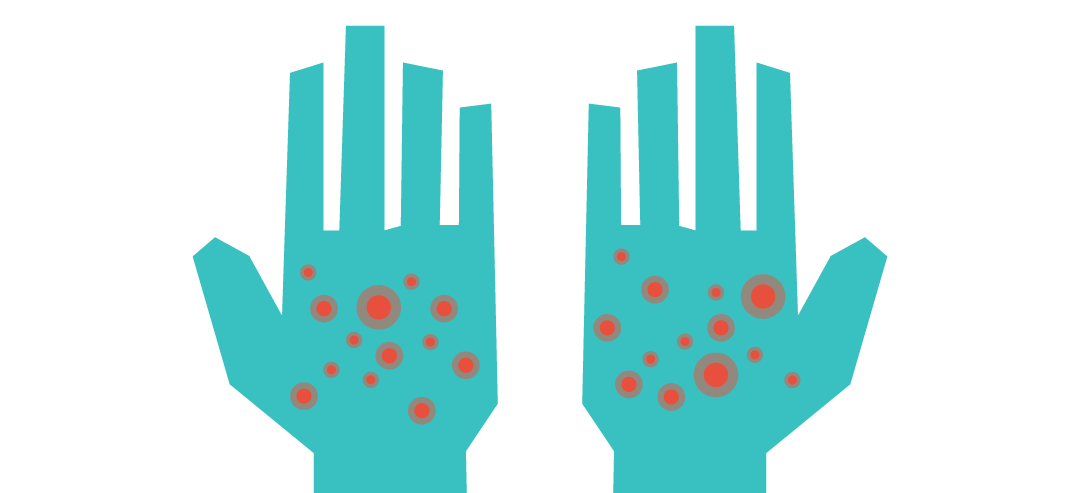
The secondary stage can develop weeks to months after the initial infection and may include skin rashes, swollen lymph nodes, fever, sore throat, and fatigue. Skin rashes are typically rough to the touch, red or reddish-brown in color, and usually painless.

After the symptoms of secondary syphilis resolve, the infection can enter the latent, or “hidden,” stage. During this stage, syphilis remains in the body but typically causes no visible symptoms. Without treatment, syphilis can remain in the body for years.
In some people, it may eventually progress to tertiary syphilis, which can cause serious complications involving the heart, brain, nerves, eyes, and other organs. While rare, tertiary syphilis is serious—regular testing and early treatment are important ways to prevent long-term complications.

In 2023, nearly 1 in 5 reported cases of syphilis in Tennessee occurred among people already living with HIV.
Because HIV and syphilis can share some of the same routes of transmission, regular STI screening is an important part of sexual health. It is possible for an individual to have syphilis without knowing it for years due to the absence of symptoms during the latent stage.
One of the easiest ways to help protect yourself from syphilis and other STIs is to use protective barriers, such as condoms or dental dams, correctly and consistently during sexual activity. However, because syphilis sores can occur in areas not covered by a barrier, condoms and dental dams cannot completely eliminate the risk. To further reduce risk, it’s best to use barriers alongside other prevention strategies, including regular STI testing.
Another great way to prevent the transmission of syphilis is to talk openly with sexual partners about STI prevention and getting tested.
If you or a partner tests positive for syphilis, it is important to seek treatment and follow your healthcare provider’s recommendations before resuming sexual activity. The good news is that syphilis is treatable and curable with antibiotics.
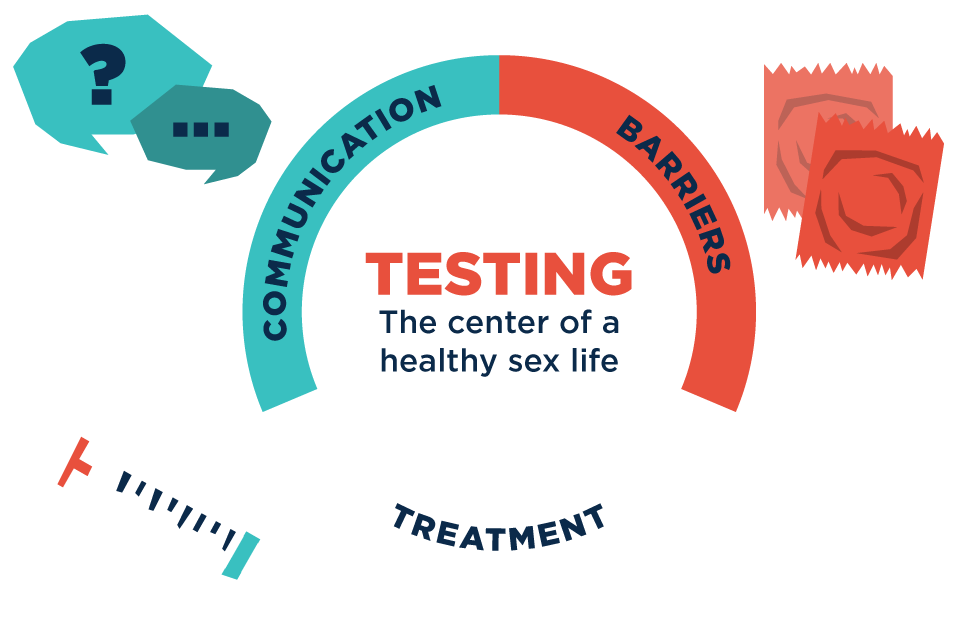
Getting diagnosed and treated early can prevent serious health complications and permanent damage from a long-standing infection. It also helps prevent transmission to others! While syphilis treatment is effective, it is possible to get syphilis again. It’s important to continue using prevention strategies, such as regular testing and condom use, even after being successfully treated.
CDC's latest provisional national data show:
190,242 total syphilis cases were reported in 2024
41,496 were primary + secondary syphilis cases.
Primary + secondary syphilis cases decreased by about 22% from 2023 to 2024
3,941 cases of congenital syphilis were reported
Congenital syphilis increased by about 82% between 2020 and 2024
190,000+ cases of syphilis were reported in the United States in 2024

In Memphis/Shelby County
309 primary + secondary syphilis cases were reported
The rate was 34 cases per 100,000 people
Cases per age group
Ages 15–19: 55.7 per 100,000
Ages 20–24: 119.8 per 100,000
Ages 25–29: 123.9 per 100,000
Ages 30–34: 75.2 per 100,000
Young adults ages 20–29 had the highest rates of primary and secondary syphilis in Memphis/Shelby County in 2023.
A large racial disparity in cases
56.9 per 100,000 among Black Memphis/Shelby County residents
5.3 per 100,000 among White Memphis/Shelby County residents
Sources: Centers for Disease Control and Prevention (CDC) and Tennessee Department of Health (TDH). Statistics reflect the most recent national, Tennessee, and Shelby County surveillance data available.

This blog post was written by
Charlie Jackson, he/him
OUTMemphis Resource Navigator
Get tested for FREE at OUTMemphis!
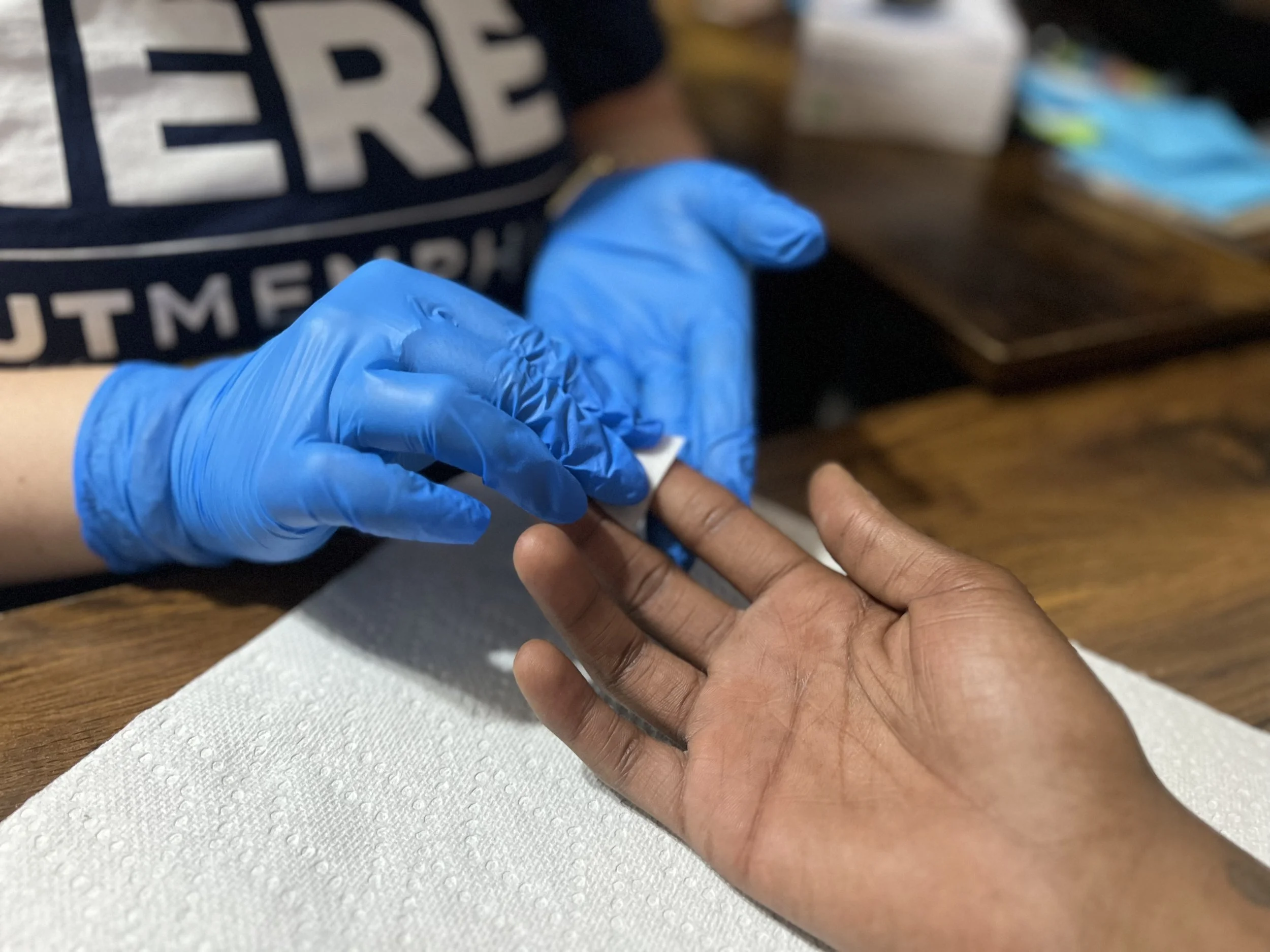
OUTMemphis offers free syphilis testing, as well as free HIV and hepatitis C (HCV) testing! If you or someone you know would like to get tested, appointments can be scheduled through the Community Health sections of our website.
»»» Schedule your appointment here.
More Blog Posts Like This